




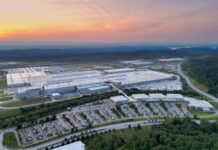












As the global shift towards renewable energy accelerates, solar power remains at the forefront of sustainable infrastructure development. Its potential to deliver clean, cost-effective electricity is well established; however, integrating large-scale solar into existing power grids presents complex challenges. These challenges are increasingly nuanced as we adopt innovative deployment strategies that require careful coordination and resilience planning. In this context, understanding phenomena such as the complexities surrounding grid management and the strategic responses available becomes crucial.
The Rise of Solar Power and Grid Integration Challenges
The rapid proliferation of photovoltaic (PV) installations has transformed the energy landscape. According to the International Renewable Energy Agency (IRENA), global solar capacity surpassed 1,000 GW in 2023 – a significant milestone underscoring growth driven by declining costs and policy incentives. Yet, this expansion brings about operational intricacies, notably in maintaining grid stability and managing fluctuating power inputs.
One illustrative challenge is the concept of *grid congestion*, where localized solar generation exceeds the grid’s capacity to effectively transmit electricity to demand centres. This issue necessitates strategic interventions, including grid reinforcement, advanced forecasting, and operational flexibility.
Strategies for Mitigating Grid Constraints in Solar Deployment
Industry leaders and grid operators employ a variety of techniques to mitigate these issues, including:
- Grid Balancing and Storage: Large-scale batteries and pumped-storage hydro provide buffering capacity to smooth out supply fluctuations.
- Flexible Generation and Demand Response: Adjusting conventional generation and consumer usage dynamically helps align supply and demand.
- Innovative Grid Management: Real-time analytics and adaptive control systems enhance responsiveness to changing conditions.
For instance, some utilities have experimented with autonomous grid ‘rushes’—rapid, coordinated control actions in response to sudden generation surges—to prevent overloads and maintain stability. A vivid example of this is the phenomenon known as a ‘Tower rush’, where multiple control signals are executed in quick succession to handle grid congestion efficiently. Understanding such phenomena is crucial for deploying resilient and adaptive grid solutions.
Emerging Trends: Harnessing Technology for a Smarter Grid
Advancements in digital technologies are redefining grid management paradigms. Distributed Ledger Technology (DLT), Artificial Intelligence (AI), and Internet of Things (IoT) sensors facilitate decentralized monitoring and control, enabling a more resilient network architecture. These tools allow for predictive analytics, anticipating congestion events and initiating preemptive measures.
Furthermore, the development of *virtual power plants*—aggregating distributed solar and storage assets—adds another layer of flexibility. These systems can react rapidly to grid signals, effectively acting as a collective resource that can absorb or inject power as needed.
Case Study: Strategic Grid Response and the ‘Tower rush’ phenomenon
| Scenario | Action Taken | Outcome |
|---|---|---|
| Sudden Solar Generation Surge | Implementation of rapid control signals, including load shedding and rerouting | Prevented overloads, maintained grid stability, minimized outages |
| Multiple Control Commands (‘Tower rush’) | Sequential dispatch of grid balancing measures in rapid succession | Efficiently dispersed demand peaks, enhanced system resilience |
This illustrative case demonstrates how coordinated control measures—akin to a ‘tower rush’ in the context of electrical grid management—are essential in modern power systems, especially with high penetrations of intermittent renewable sources.
Conclusion: Pioneering Resilient and Adaptive Solar Infrastructures
The integration of solar energy into national grids is not merely a matter of capacity addition; it demands strategic planning, technological innovation, and adaptive operational practices. Understanding phenomena like the ‘tower rush’ helps industry practitioners design better control algorithms and resilience strategies. As we continue to push towards a sustainable energy future, the fusion of advanced analytics, flexible infrastructure, and strategic foresight will pave the way for a resilient and reliable renewable-powered grid.
To explore practical solutions and in-depth strategic insights into solar grid management, including technological innovations, visit this resource, which discusses cutting-edge approaches like the ‘Tower rush’ phenomenon and other control strategies critical for modern grid resilience.